What Is Testicular Sperm Extraction and When Is It Recommended?
Testicular Sperm Extraction (TESE) is a procedure used to retrieve sperm directly from testicular tissue when sperm cannot be obtained adequately through ejaculation.
Read MorePregnancy is a beautiful journey, but it also brings major hormonal changes that should never be ignored. Among them, TSH Levels in Pregnancy are one of the most important indicators of thyroid health.
For women, maintaining balanced TSH levels during pregnancy is extremely important, as thyroid imbalance can affect their health, hormonal stability, and the baby’s healthy development throughout pregnancy.
This blog explains everything you need to know about TSH Levels in Pregnancy, including normal trimester-wise ranges, high and dangerous TSH levels, symptoms, risks, and when to seek medical attention for a healthier pregnancy.
TSH, or Thyroid Stimulating Hormone, is a hormone that helps control the thyroid gland in your body. The thyroid gland plays an important role in managing energy levels, metabolism, hormones, and overall health.
During pregnancy, it becomes even more important because thyroid hormones also help in the healthy growth and brain development of the baby. Maintaining a healthy TSH Level in pregnancy is very important for women, especially during the first few months when the baby is totally dependent on the mother’s thyroid hormones.
Doctors often check TSH levels in pregnant women as the hormonal changes during pregnancy can sometimes lead to thyroid imbalance. High or low TSH levels can lead to complications if not treated properly, so it is important to get tested promptly and get the right care for a safe and healthy pregnancy.
TSH Levels in Pregnancy: TSH levels naturally vary in each trimester as a result of hormonal changes in the body. Doctors use trimester-specific TSH ranges to check if the thyroid is functioning correctly during pregnancy.
First Trimester: 0.1 – 2.5 mIU/L
Second Trimester: 0.2 – 3.0 mIU/L
Third Trimester: 0.3 – 3.0 mIU/L
High or low TSH levels in pregnancy can put both mum and baby at higher risk for complications. Normal TSH levels vary depending on the trimester, but high TSH levels should not be ignored.
In pregnancy, high TSH levels may occasionally cause symptoms that may be mistaken for normal pregnancy changes. But if you experience severe or long-lasting symptoms, you should see a doctor.
Constant tiredness or weakness
Unusual weight gain
Mood swings or depression
Dry skin and hair fall
Feeling cold frequently
Constipation
Difficulty concentrating
Swelling in the face or body
Slow heartbeat
Muscle cramps or body pain
Regular thyroid testing during pregnancy can help detect high TSH levels early and prevent possible complications for both mother and baby.
High TSH Levels in Pregnancy can happen when the thyroid gland does not produce enough hormones required during pregnancy. Several factors may increase the risk of thyroid imbalance in pregnant women, such as:
Existing hypothyroidism before pregnancy
Hashimoto’s thyroiditis (autoimmune thyroid disorder)
Iodine deficiency in the body
Hormonal changes during pregnancy
Irregular thyroid medication intake
Family history of thyroid problems
Stress and unhealthy lifestyle habits
Previous thyroid-related health issues
Doctors diagnose high TSH Levels in pregnancy with simple blood tests that assess how well the thyroid gland is functioning. Early diagnosis is important to avoid complications and ensure a healthy pregnancy.
TSH Blood Test – Measures the level of Thyroid Stimulating Hormone in the body
Free T3 and T4 Tests – Help evaluate overall thyroid hormone levels
Routine Pregnancy Screening – Thyroid tests may be advised during prenatal checkups
Trimester-Wise Monitoring – TSH levels are checked regularly as hormone levels change during pregnancy
Medical History & Symptoms Review – Doctors may also assess symptoms, previous thyroid issues, or family history.
Treatment for high TSH Levels in Pregnancy primarily aims to restore the balance of thyroid hormones to ensure the well-being of both the mother and the baby. With appropriate medical care and regular monitoring, thyroid levels can usually be managed safely during pregnancy.
Thyroid hormone replacement drugs, such as levothyroxine
Regular monitoring of TSH, T3, and T4 levels
Dose adjustments according to trimester if required
Recommendations for a healthy iodine-rich diet
Taking medicines at the right time as prescribed by the doctor
Thyroid screening and routine prenatal visits
In general, pregnant women should not self-medicate and should always follow professional medical advice for safe thyroid management in pregnancy.
Keeping healthy thyroid levels during pregnancy is important for your health and your baby’s healthy development. Simple lifestyle habits and regular medical care can maintain TSH Levels in Pregnancy.
Take thyroid medicines as prescribed by the doctor
Get regular thyroid and prenatal checkups
Eat a healthy diet rich in iodine
Keep hydrated throughout the day
Avoid missing meals and medications
Get enough rest to cope with stress
Ensure adequate sleep and a healthy routine
Do not self-medicate in pregnancy
Follow your doctor’s recommendations on diet and supplements
Consistent monitoring and good care can help to promote healthy thyroid function and a safer pregnancy journey.
TSH Levels in Pregnancy are important in maintaining the health of both mother and baby throughout the pregnancy. The thyroid hormone levels fluctuate in each trimester and should thus be checked regularly to be able to detect an imbalance early. Pregnant women can care for their thyroid health better by knowing what normal TSH levels are, symptoms of high TSH, associated risks, and treatment options.
With timely diagnosis, appropriate medical advice, a healthy lifestyle, and regular prenatal care, thyroid levels can typically be safely controlled during pregnancy. If you notice any unusual symptoms or have any concerns about your thyroid reports, it is advisable to consult a healthcare professional for proper advice and care.
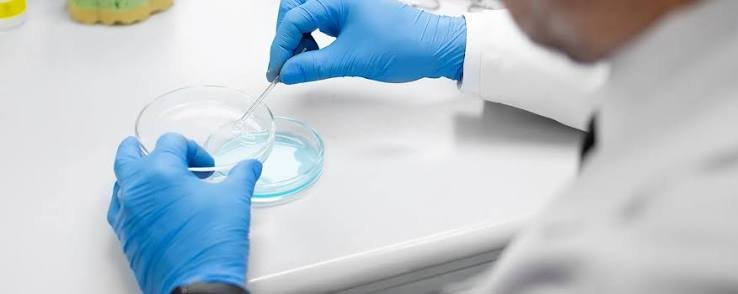
Testicular Sperm Extraction (TESE) is a procedure used to retrieve sperm directly from testicular tissue when sperm cannot be obtained adequately through ejaculation.
Read More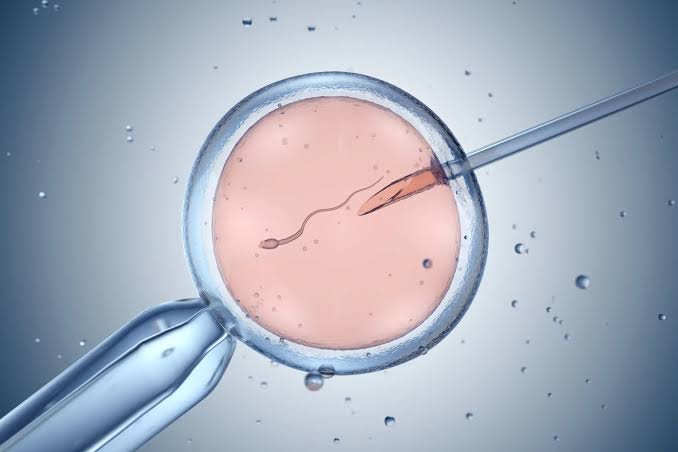
Sperm freezing, also known as sperm cryopreservation, is a fertility preservation method that allows sperm to be collected and stored for potential future use. It can be considered when future fertility may be affected by medical treatment or other circumstances.
Read More
Starting a second IVF cycle can bring both hope and questions, especially after experiencing the first treatment. Before beginning again, it is important to understand
Read More