What Is Testicular Sperm Extraction and When Is It Recommended?
Testicular Sperm Extraction (TESE) is a procedure used to retrieve sperm directly from testicular tissue when sperm cannot be obtained adequately through ejaculation.
Read MoreThe HSG Test in Sonipat is one of the most important diagnostic procedures used to evaluate female fertility and check the condition of the uterus and fallopian tubes. It is commonly recommended for women who are facing difficulty in conceiving. This test helps doctors understand whether there is any blockage or abnormality affecting natural pregnancy chances. Many patients searching for an HSG test near me often undergo this procedure as a first step in fertility evaluation.
In this blog, we will explain the HSG Test in Sonipat, its procedure, purpose, pain level, cost factors, and everything you should know before undergoing it.
The HSG test full form is Hysterosalpingography. It is an X-ray-based diagnostic test used to examine:
The shape of the uterus
The condition of the fallopian tubes
Any blockages or structural issues
A special dye is inserted into the uterus, and X-ray images are taken to track the flow of the dye through the reproductive organs.
The main purpose of the HSG Test in Sonipat is to identify the causes of female infertility. It is especially helpful in:
Detecting blocked fallopian tubes
Identifying uterine abnormalities
Understanding repeated pregnancy loss
Evaluating infertility issues in women
Doctors often recommend this test as part of early fertility evaluation.
Understanding the HSG Test in Sonipat procedure helps reduce anxiety before the test:
The test is usually scheduled after menstruation but before ovulation. No anesthesia is required in most cases.
The patient lies on an X-ray table, similar to a pelvic exam.
A thin tube is inserted into the cervix, and a contrast dye is gently released into the uterus.
As the dye moves through the uterus and fallopian tubes, X-ray images are taken.
The tube is removed, and the procedure is completed within 10–15 minutes.
One of the most common concerns is HSG test pain. The level of discomfort varies from person to person:
Mild cramping is common during the procedure
Some women feel moderate lower abdominal pain
Pain usually lasts for a few minutes only
Over-the-counter pain relief may be suggested if needed
Overall, the discomfort is temporary and manageable.
The HSG test for female infertility is highly useful because it directly helps identify structural problems in the reproductive system. It is often recommended for:
Women are unable to conceive for a long time
Suspected tubal blockage
Unexplained infertility cases
History of pelvic infections
This makes it one of the most important fertility diagnostic tools.
The HSG test cost/price may vary depending on several factors:
Diagnostic center or hospital
Location and medical facility setup
The doctor’s expertise and equipment used
On average, the cost is generally affordable compared to other fertility investigations, making it widely accessible for patients.
Many patients search for an HSG test near me to find nearby diagnostic centers for convenience. Choosing a nearby clinic helps in:
Easy appointment scheduling
Quick access to follow-up consultations
Reduced travel stress after the procedure
Sonipat has several fertility and diagnostic centers offering this test with advanced imaging facilities.
After the HSG Test in Sonipat, patients may experience:
Mild spotting for a day or two
Slight abdominal discomfort
Normal daily activities can be resumed quickly
Doctors may also guide further fertility steps based on the results.
The HSG Test in Sonipat is a simple yet highly important diagnostic procedure for evaluating female fertility. From identifying blocked fallopian tubes to understanding uterine health, it plays a key role in infertility assessment. While some may experience mild HSG test pain, the procedure is quick and safe.
Understanding the HSG test's full form, its purpose, and cost factors helps patients feel more confident before undergoing the test. For couples facing difficulty in conception, the HSG test for female infertility is often the first and most important step toward diagnosis and treatment planning.
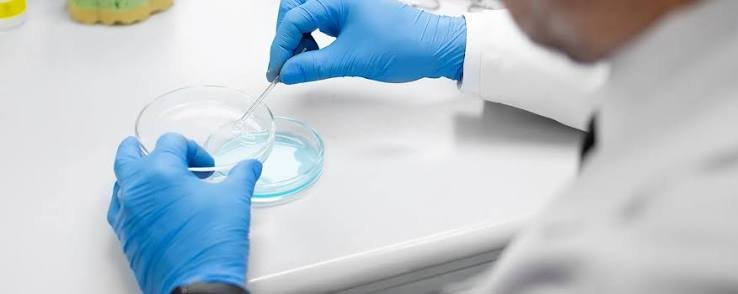
Testicular Sperm Extraction (TESE) is a procedure used to retrieve sperm directly from testicular tissue when sperm cannot be obtained adequately through ejaculation.
Read More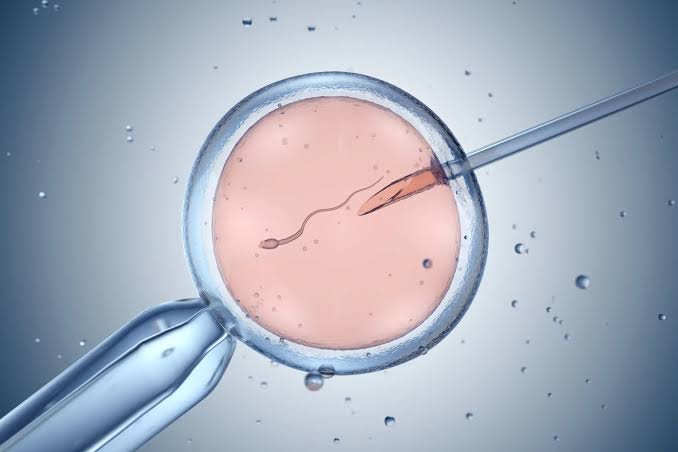
Sperm freezing, also known as sperm cryopreservation, is a fertility preservation method that allows sperm to be collected and stored for potential future use. It can be considered when future fertility may be affected by medical treatment or other circumstances.
Read More
Starting a second IVF cycle can bring both hope and questions, especially after experiencing the first treatment. Before beginning again, it is important to understand
Read More