What Is Testicular Sperm Extraction and When Is It Recommended?
Testicular Sperm Extraction (TESE) is a procedure used to retrieve sperm directly from testicular tissue when sperm cannot be obtained adequately through ejaculation.
Read MoreMale infertility is becoming increasingly common, and one of the major reasons behind it is low sperm count, also known as oligospermia. Oligospermia Treatment in Sonipat is now widely available with advanced diagnostic and fertility care options, helping couples improve their chances of natural conception and assisted reproduction. Understanding the condition, its symptoms, and causes is the first step toward effective treatment and better reproductive health.
This blog explains everything about Oligospermia Treatment in Sonipat, including symptoms, causes, diagnosis, and advanced treatment options like IUI, IVF, and ICSI.
Oligospermia is a medical condition in which a man has a lower-than-normal sperm count in semen. A healthy sperm count is important for natural fertilization. When the sperm count is low, the chances of pregnancy reduce significantly, leading to male infertility issues.
This condition does not always show clear physical signs, which is why many men discover it only after fertility testing.
Oligospermia often does not show obvious symptoms, but some signs may indicate fertility issues:
Difficulty in conceiving despite regular unprotected intercourse
Reduced sexual desire in some cases
Hormonal imbalance symptoms, such as fatigue or mood changes
Testicular pain or swelling (in some cases)
No visible symptoms in many men
Since symptoms are not always noticeable, semen analysis is the most reliable way to confirm the condition.
Understanding Oligospermia Causes is important for effective treatment. Several factors can affect sperm production and quality:
Hormonal imbalance affecting sperm production
Varicocele (enlarged veins in the scrotum)
Infections in reproductive organs
Excessive smoking, alcohol, or drug use
Obesity and poor lifestyle habits
High stress levels
Exposure to heat or harmful chemicals
Genetic conditions affecting fertility
Identifying the exact cause helps doctors decide the right treatment approach.
Before starting treatment, a proper diagnosis is essential. Doctors may recommend:
Semen analysis to check sperm count, motility, and shape
Hormonal blood tests to evaluate testosterone and related hormones
Scrotal ultrasound to detect varicocele or structural issues
Physical examination and medical history review
These tests help in planning effective treatment for male infertility.
Low Sperm Count Treatment in Sonipat includes both medical and lifestyle-based approaches, depending on the severity of the condition.
Hormonal therapy to improve sperm production
Antibiotics in case of infections
Surgery for varicocele correction if needed
Nutritional supplements to support sperm health
Lifestyle changes like diet improvement and weight management
Early treatment often improves sperm count and fertility outcomes significantly.
For couples facing difficulty even after basic treatments, advanced fertility techniques are available under Oligospermia Treatment in Sonipat:
IUI (Intrauterine Insemination): Processed sperm is directly placed in the uterus to increase pregnancy chances
IVF (In Vitro Fertilization): Eggs and sperm are fertilized in a lab, and the embryo is transferred to the uterus
ICSI (Intracytoplasmic Sperm Injection): A single healthy sperm is directly injected into an egg, ideal for severe male infertility
These treatments are highly effective for improving success rates in couples struggling with infertility.
Another related condition is teratozoospermia, where sperm shape (morphology) is abnormal. Teratozoospermia Treatment in Sonipat focuses on improving sperm quality through:
Lifestyle modifications and a healthy diet
Antioxidant supplements
Hormonal treatment if required
Advanced IVF or ICSI procedures for better fertilization outcomes
Proper diagnosis ensures the right combination of treatment methods.
Along with medical treatment, lifestyle improvements play a major role:
Eat a balanced diet rich in vitamins and antioxidants
Exercise regularly and maintain a healthy weight
Avoid smoking, alcohol, and drugs
Reduce stress through yoga or meditation
Get adequate sleep daily
Avoid excessive heat exposure to the testicles
These changes support overall reproductive health and improve sperm quality.
You should consult a specialist if:
You are unable to conceive after 1 year of trying
Semen analysis reports show low sperm count
You have known reproductive health issues
There are symptoms of hormonal imbalance or testicular discomfort
Early diagnosis increases the chances of successful treatment.
Oligospermia Treatment in Sonipat offers hope for couples facing male infertility challenges. With proper diagnosis, timely medical care, and advanced fertility treatments like IUI, IVF, and ICSI, many men can significantly improve their sperm health and fertility outcomes.
Understanding Oligospermia Causes, recognizing symptoms, and choosing the right treatment plan are key steps toward achieving parenthood. Along with Low Sperm Count Treatment in Sonipat and Teratozoospermia Treatment in Sonipat, modern fertility care provides effective solutions for even complex cases.
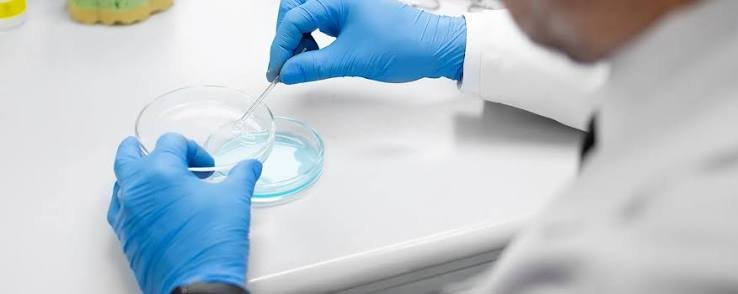
Testicular Sperm Extraction (TESE) is a procedure used to retrieve sperm directly from testicular tissue when sperm cannot be obtained adequately through ejaculation.
Read More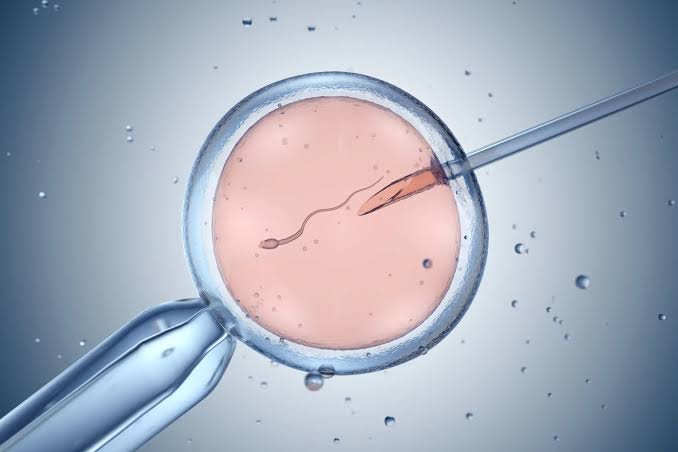
Sperm freezing, also known as sperm cryopreservation, is a fertility preservation method that allows sperm to be collected and stored for potential future use. It can be considered when future fertility may be affected by medical treatment or other circumstances.
Read More
Starting a second IVF cycle can bring both hope and questions, especially after experiencing the first treatment. Before beginning again, it is important to understand
Read More