What Is Testicular Sperm Extraction and When Is It Recommended?
Testicular Sperm Extraction (TESE) is a procedure used to retrieve sperm directly from testicular tissue when sperm cannot be obtained adequately through ejaculation.
Read MoreThe IUI process is one of the simplest and most commonly used fertility procedures for couples who are facing difficulty in conceiving naturally. It is a safe and minimally invasive method that helps increase the chances of pregnancy by placing healthy sperm directly into the uterus at the right time of ovulation. Understanding the IUI process in detail can help couples feel more confident and prepared before starting their fertility journey.
This blog explains the complete IUI process, step-by-step procedure, success rate, age-related results, and important factors that influence outcomes.
The IUI process (Intrauterine Insemination) is a fertility procedure in which specially prepared sperm is placed directly into a woman’s uterus. This increases the chances of sperm reaching the egg naturally and results in a higher probability of fertilization compared to natural conception.
The IUI process is often recommended for couples with mild male infertility, unexplained infertility, or ovulation-related issues.
Understanding the step-by-step IUI process helps couples know what to expect during each stage.
The journey begins with a fertility consultation. Both partners undergo basic tests such as hormone checks, an ultrasound, and semen analysis to understand reproductive health.
The doctor closely monitors the woman’s ovulation cycle using ultrasound and blood tests. This helps identify the most fertile time for the IUI process.
On the day of the procedure, a sperm sample is collected from the male partner. The sample is then washed and processed in the laboratory to separate healthy and active sperm.
A thin, flexible tube is used to place the prepared sperm directly into the uterus. This step is quick, painless, and does not require anesthesia.
After the procedure, the patient may rest for a short time. Normal activities can usually be resumed on the same day.
After about 10–14 days, a blood test is done to check whether pregnancy has occurred.
The success rate of the IUI process depends on several factors such as age, fertility condition, and overall health.
On average, the success rate ranges between 10% to 20% per cycle
Multiple cycles may increase the chances of pregnancy
The success rate is higher when ovulation is regular and sperm quality is good
While results may vary, the IUI process remains a good first step before advanced fertility procedures.
Age plays an important role in the outcome of the IUI process:
Women under 30 generally have higher success chances
Between 30 and 35 years, the success rate is moderate
After 35 years, chances gradually decrease due to reduced egg quality
Above 40 years, success depends more on overall reproductive health
Early consultation and timely planning improve results significantly.
The IUI process is usually suggested in the following situations:
Unexplained infertility
Mild male fertility issues
Cervical mucus problems
Ovulation irregularities
Mild endometriosis cases
It is often considered a first-level fertility procedure before advanced options.
Several factors influence the outcome of the IUI process:
Age of the female partner
Quality of sperm sample
Timing of ovulation
Health of reproductive organs
Lifestyle habits like smoking, stress, and diet
Maintaining a healthy lifestyle can positively support the IUI process.
The IUI process is a simple, safe, and effective fertility procedure that helps many couples achieve pregnancy naturally. By understanding the step-by-step procedure, success rate, and age-related factors, couples can make informed decisions about their fertility journey.
With proper timing, medical guidance, and healthy lifestyle choices, the IUI process can significantly improve the chances of conception and bring hope to couples trying to start a family.
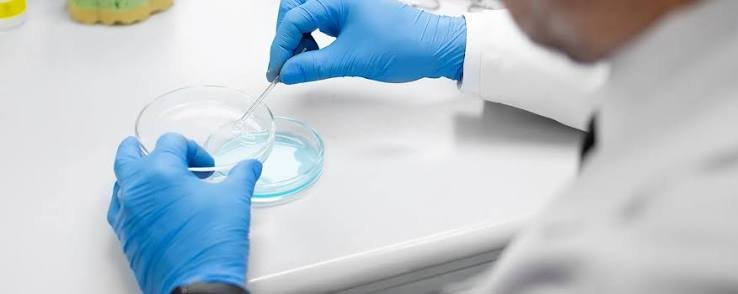
Testicular Sperm Extraction (TESE) is a procedure used to retrieve sperm directly from testicular tissue when sperm cannot be obtained adequately through ejaculation.
Read More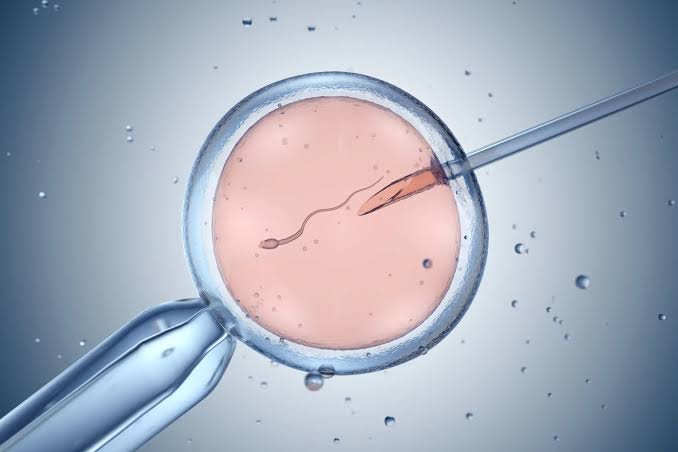
Sperm freezing, also known as sperm cryopreservation, is a fertility preservation method that allows sperm to be collected and stored for potential future use. It can be considered when future fertility may be affected by medical treatment or other circumstances.
Read More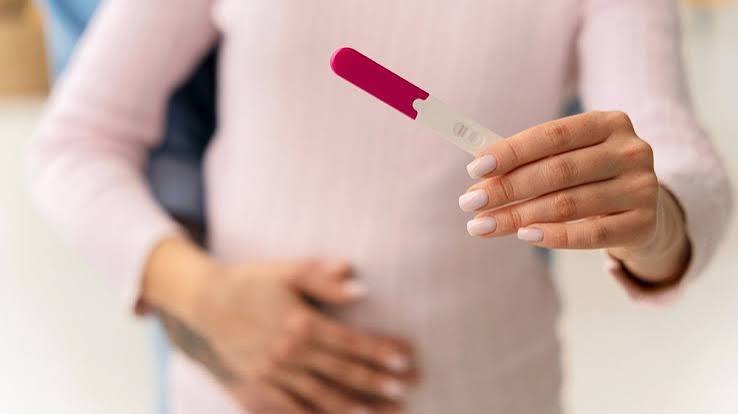
Starting a second IVF cycle can bring both hope and questions, especially after experiencing the first treatment. Before beginning again, it is important to understand
Read More