What Is Testicular Sperm Extraction and When Is It Recommended?
Testicular Sperm Extraction (TESE) is a procedure used to retrieve sperm directly from testicular tissue when sperm cannot be obtained adequately through ejaculation.
Read MoreBeginning an IVF journey can feel overwhelming when couples are unsure about the process, preparation, and treatment steps involved. IVF Treatment Planning helps simplify this journey by giving couples a better understanding of fertility tests, lifestyle preparation, and important medical guidance before treatment begins. Proper IVF Treatment Planning can make the overall experience smoother and more manageable.
This blog will guide couples through every important aspect of IVF Treatment Planning, including preparation, medical tests, treatment steps, lifestyle changes, and expert tips for a smoother fertility journey.
IVF, or In Vitro Fertilization, is a fertility treatment that helps couples conceive when natural pregnancy becomes difficult. In this IVF treatment process, a woman’s eggs and a man’s sperm are combined in a laboratory to create an embryo. Once the embryo develops, it is carefully transferred into the woman’s uterus to support pregnancy.
IVF treatment is commonly recommended for couples facing fertility issues such as blocked fallopian tubes, low sperm count, PCOS, ovulation problems, or unexplained infertility. Over the years, IVF treatment for couples has helped many achieve parenthood with proper medical support and advanced care.
IVF Treatment Planning plays a crucial role in improving success rates and reducing stress. A proper IVF consultation guide helps couples understand every step clearly.
IVF Treatment Planning helps doctors study medical history, hormonal balance, and fertility conditions. This improves the chances of a successful IVF outcome.
Through proper IVF Treatment Planning, tests help detect hidden problems like PCOS, low sperm count, or blocked tubes before starting treatment.
A structured IVF consultation guide under IVF planning reduces confusion and helps couples stay mentally prepared throughout the journey.
Proper IVF Treatment Planning avoids repeated procedures and unnecessary delays, making treatment more efficient and affordable.
As part of IVF treatment for couples, it is recommended in cases like:
Couples unable to conceive after 1 year of unprotected intercourse
Blocked or damaged fallopian tubes
PCOS or ovulation disorders
Low sperm count or poor sperm quality
Unexplained infertility
Endometriosis cases
Multiple failed IUI attempts
Age-related fertility decline
Donor egg or sperm cases
Same-sex couples or single parents
Understanding the IVF treatment process is an important part of IVF Treatment Planning:
Doctors guide couples through an IVF consultation guide, including tests like hormone analysis, semen analysis, and ultrasound.
Medications help produce multiple eggs instead of one.
Mature eggs are collected through a minor procedure.
Eggs and sperm are combined in a lab to form embryos.
Embryos are monitored for quality and growth.
A healthy embryo is placed into the uterus.
After 10–14 days, a test confirms pregnancy.
These are key things to know before IVF and part of IVF Treatment Planning:
Checks FSH, LH, AMH, prolactin, thyroid levels for fertility health.
Examines uterus and ovaries for issues like PCOS or fibroids.
Evaluates sperm health in male partners.
Checks fallopian tube blockage.
Shows egg quantity and quality.
Ensures safe treatment for both partners.
Checks overall fitness for pregnancy.
Proper IVF Treatment Planning helps avoid these mistakes:
Always follow medical advice carefully.
Stress can affect hormonal balance and IVF success.
Missing doses can reduce treatment effectiveness.
Smoking, alcohol, and poor diet lower fertility.
Avoid unapproved medicines during IVF.
Regular monitoring is essential for success.
IVF Treatment Planning is the foundation of a successful fertility journey. From understanding the IVF treatment process to following a proper IVF consultation guide, every step plays an important role in achieving pregnancy.
With the right IVF Treatment Planning, awareness of things to know before IVF, and proper medical support, couples can improve their chances of success. Today, IVF treatment for couples has become a trusted path toward parenthood when guided correctly.
Avoiding mistakes, following expert advice, and staying consistent can turn the dream of parenthood into reality through well-structured IVF Treatment Planning.
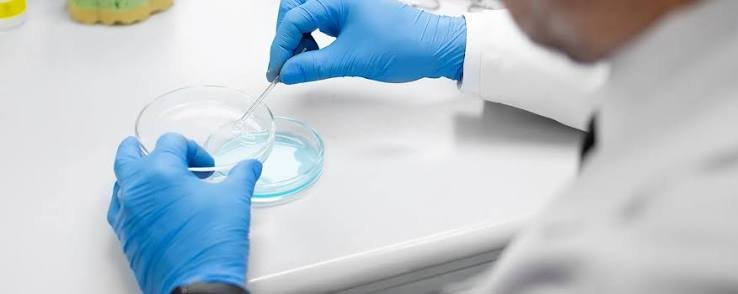
Testicular Sperm Extraction (TESE) is a procedure used to retrieve sperm directly from testicular tissue when sperm cannot be obtained adequately through ejaculation.
Read More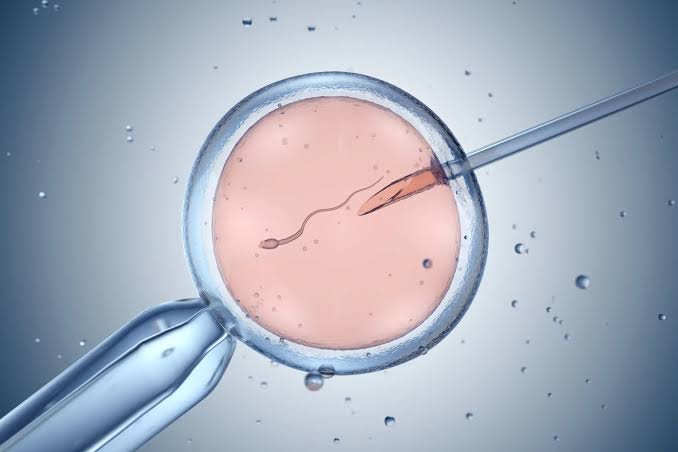
Sperm freezing, also known as sperm cryopreservation, is a fertility preservation method that allows sperm to be collected and stored for potential future use. It can be considered when future fertility may be affected by medical treatment or other circumstances.
Read More
Starting a second IVF cycle can bring both hope and questions, especially after experiencing the first treatment. Before beginning again, it is important to understand
Read More