What Is Testicular Sperm Extraction and When Is It Recommended?
Testicular Sperm Extraction (TESE) is a procedure used to retrieve sperm directly from testicular tissue when sperm cannot be obtained adequately through ejaculation.
Read MoreHow many IVF cycles may be needed to get pregnant? There is no fixed number because every couple responds differently to fertility treatment. Some may achieve pregnancy during their first IVF cycle, while others may require additional attempts.
Several factors can influence the outcome, including the woman's age, egg and embryo quality, sperm health, underlying fertility conditions, and previous treatment history. Your fertility specialist may review the results of each cycle before deciding whether another attempt could be appropriate.
After an unsuccessful cycle, doctors may evaluate factors such as ovarian response, fertilisation, embryo development, and implantation before making changes to the treatment plan. In some cases, adjustments to medication or the approach used for embryo transfer may be considered.
At Onest IVF, treatment is planned according to each patient's individual fertility needs and medical history. Understanding these factors can help couples have realistic expectations and make informed decisions throughout their IVF journey.
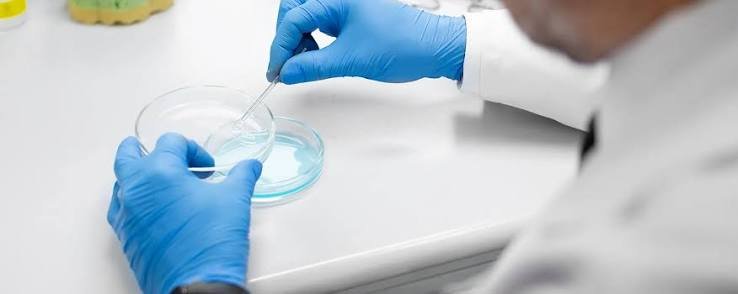
Testicular Sperm Extraction (TESE) is a procedure used to retrieve sperm directly from testicular tissue when sperm cannot be obtained adequately through ejaculation.
Read More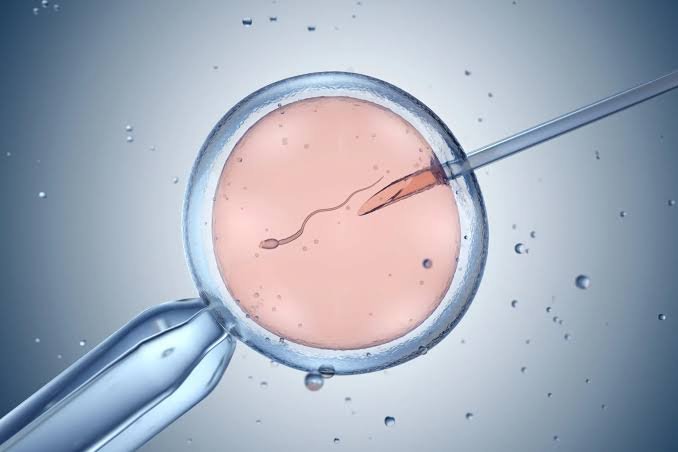
Sperm freezing, also known as sperm cryopreservation, is a fertility preservation method that allows sperm to be collected and stored for potential future use. It can be considered when future fertility may be affected by medical treatment or other circumstances.
Read More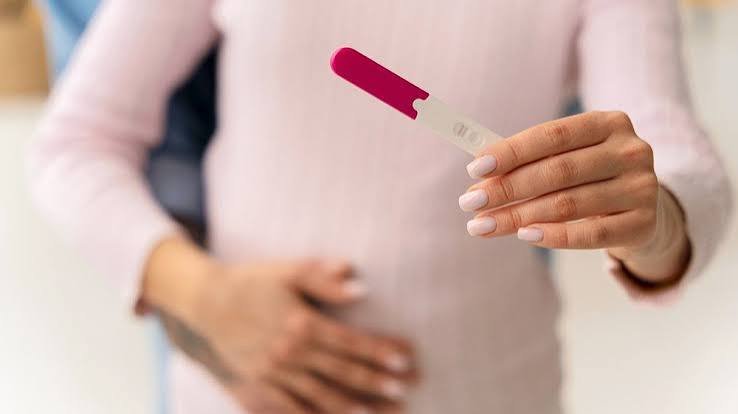
Starting a second IVF cycle can bring both hope and questions, especially after experiencing the first treatment. Before beginning again, it is important to understand
Read More